
Printing
Paper sizes
Standard A, B, C and D paper dimensions with practical guidance for choosing the right print format.
BRZI VODIČ
Izaberite format koji odgovara vašoj ideji.
Od A6 flajera do A1 plakata: svaka naredna oznaka iz A serije ima polovinu površine prethodnog formata. Najčešći izbor za poslovnu štampu je A4 — 210 × 297 mm.
Standard za memorandume, ponude, brošure i kancelarijsku dokumentaciju.
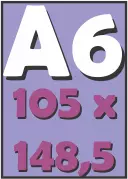
A6
105 × 148 mm
flajeri, razglednice i kuponi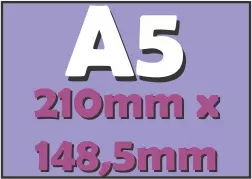
A5
148 × 210 mm
brošure, jelovnici i pozivnice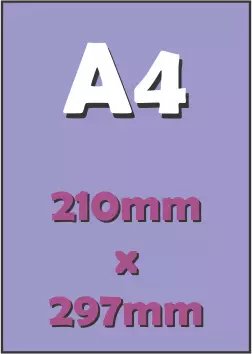
A4
210 × 297 mm
memorandumi, katalozi i dokumenta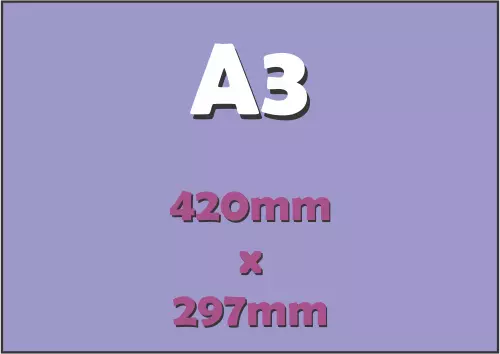
A3
297 × 420 mm
posteri, prezentacije i preklopi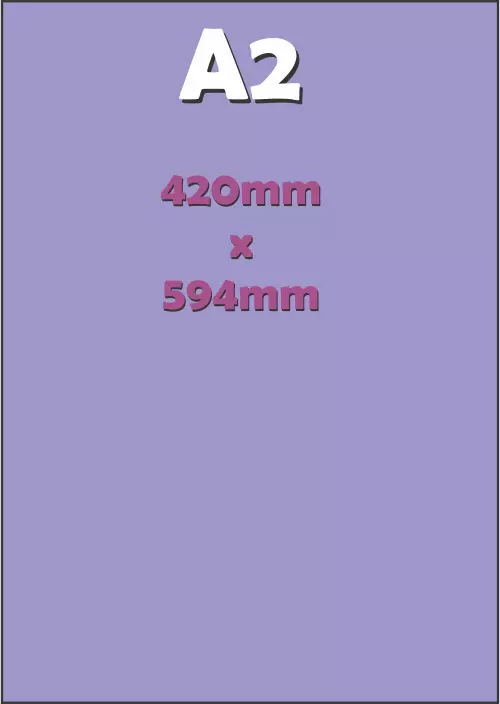
A2
420 × 594 mm
plakati i promotivni materijal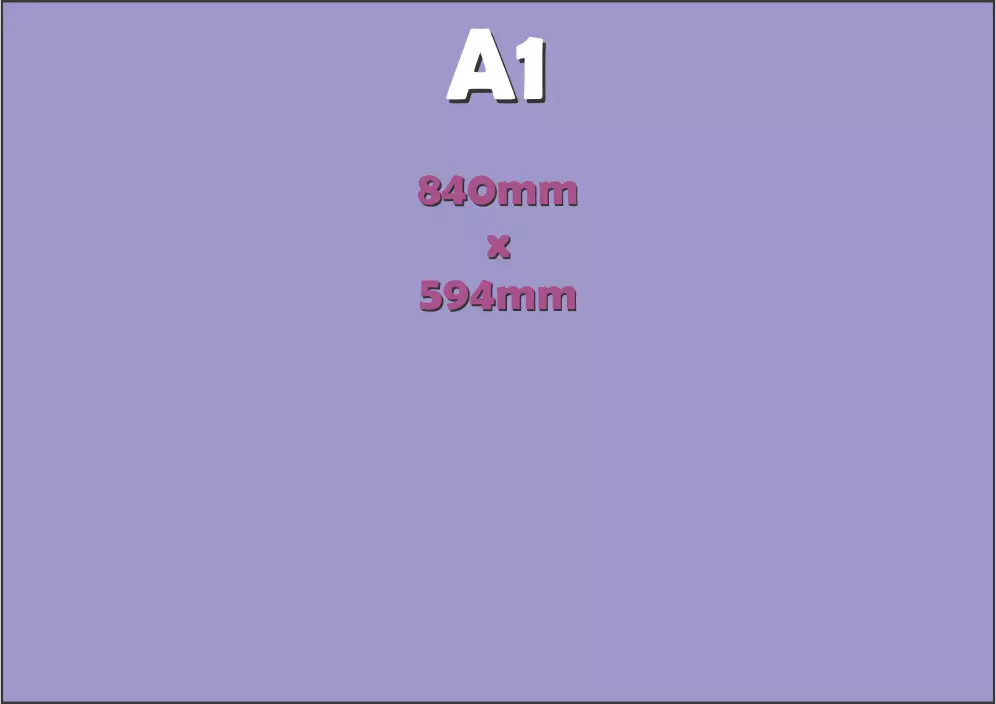
A1
594 × 841 mm
veliki plakati i displejiTUMAČ FORMATA ZA ŠTAMPU
Isti naziv ne znači uvek i istu meru.
ISO oznake imaju tačno propisane dimenzije. U štamparskoj praksi se, međutim, nekad koristi komercijalni naziv za format koji je blizak standardu, ali nije isti.
UNESITE GOTOV FORMAT
Šta zaista znači vaša dimenzija?
Unesite širinu i visinu gotovog, obrezanog proizvoda. Možete upisati i format koji se okreće horizontalno.
NAJBLIŽE OBJAŠNJENJE
komercijalni B5komercijalni naziv- Gotov format
- 170 × 240 mm
- PDF sa 3 mm napusta
- 176 × 246 mm
čest naziv u praksi, nije ISO B5. Dimenzija se poklapa sa ovim formatom.
Gotov format
Dimenzija proizvoda nakon sečenja, npr. 170 × 240 mm. To je mera koju kupac vidi i koristi.
Fajl za štampu
Za štampu do ivice se obično dodaje po 3 mm napusta sa svake strane. Zato je PDF za 170 × 240 mm najčešće 176 × 246 mm.
Štampani tabak
Proizvodnja raspoređuje više komada na radni tabak. Njegova mera zavisi od mašine, papira, savijanja i dorade — nije isto što i gotov format.
KADA STE SIGURNI U MERU
Odaberite proizvod, a format ćemo potvrditi pre štampe.
Za nestandardne dimenzije ili knjižne formate dovoljno je da pošaljete gotovu meru u milimetrima i namenu proizvoda.
ISO 216
Standardne dimenzije papira u milimetrima.
A serija je najčešća za štampu i kancelarijsku upotrebu; B formati se često koriste za plakate i štampu, a C formati za koverte.
| A | mm | B | mm | C | mm | D | mm |
|---|---|---|---|---|---|---|---|
| A0 | 841 × 1189 | B0 | 1000 × 1414 | C0 | 917 × 1297 | D0 | 771 × 1090 |
| A1 | 594 × 841 | B1 | 707 × 1000 | C1 | 648 × 917 | D1 | 545 × 771 |
| A2 | 420 × 594 | B2 | 500 × 707 | C2 | 458 × 648 | D2 | 385 × 545 |
| A3 | 297 × 420 | B3 | 353 × 500 | C3 | 324 × 458 | D3 | 272 × 385 |
| A4 | 210 × 297 | B4 | 250 × 353 | C4 | 229 × 324 | D4 | 192 × 272 |
| A5 | 148 × 210 | B5 | 176 × 250 | C5 | 162 × 229 | D5 | 136 × 192 |
| A6 | 105 × 148 | B6 | 125 × 176 | C6 | 114 × 162 | D6 | 96 × 136 |
Paper formats
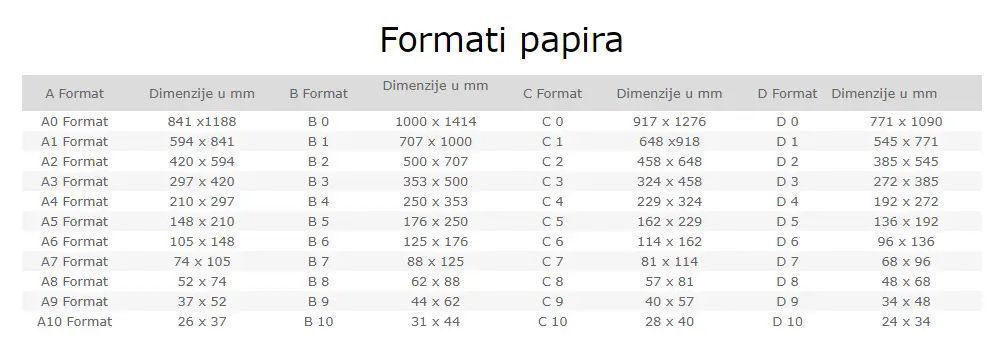
| A Format | Dimensions in mm | B Format | Dimensions in mm | C Format | Dimensions in mm | D Format | Dimensions in mm |
| A0 Format | 841 x1188 | B 0 | 1000 x 1414 | C 0 | 917 x 1276 | D 0 | 771 x 1090 |
| A1 Format | 594 x 841 | B 1 | 707 x 1000 | C 1 | 648 x918 | D 1 | 545 x 771 |
| A2 Format | 420 x 594 | B 2 | 500 x 707 | C 2 | 458 x 648 | D 2 | 385 x 545 |
| A3 Format | 297 x 420 | B 3 | 353 x 500 | C 3 | 324 x 458 | D 3 | 272 x 385 |
| A4 Format | 210 x 297 | B 4 | 250 x 353 | C 4 | 229 x 324 | D 4 | 192 x 272 |
| A5 Format | 148 x 210 | B 5 | 176 x 250 | C 5 | 162 x 229 | D 5 | 136 x 192 |
| A6 Format | 105 x 148 | B 6 | 125 x 176 | C 6 | 114 x 162 | D 6 | 96 x 136 |
| A7 Format | 74 x 105 | B 7 | 88 x 125 | C 7 | 81 x 114 | D 7 | 68 x 96 |
| A8 Format | 52 x 74 | B 8 | 62 x 88 | C 8 | 57 x 81 | D 8 | 48 x 68 |
| A9 Format | 37 x 52 | B 9 | 44 x 62 | C 9 | 40 x 57 | D 9 | 34 x 48 |
| A10 Format | 26 x 37 | B 10 | 31 x 44 | C 10 | 28 x 40 | D 10 | 24 x 34 |
How Is Paper Made?
Paper is made from cellulose and water. Cellulose fibers are obtained from plant material. Cellulose fibers most often come from wood, but they can also be obtained from straw, cotton, and of course recycled paper. The cellulose fibers are first straightened and bleached, then the whole mass is dried and calendered. If we want colored paper, pigments are simply added to the pulp. In most factories, the produced paper is wound into rolls and cut.
Discover the Variety of Paper Formats
Paper formats are the foundation of every printed message. From the classic A4 for business documents to the majestic A0 for impressive posters, each size carries its own story.
Behind every format lies potential for creativity and expression. Take paper in your hands and create art, produce brochures, or design flyers. The right format can turn ordinary text into something special.
Each format is like a blank canvas waiting for your ideas. Whether you are printing marketing materials or personal projects, choose the format carefully, because it is your creative substrate.
The art of communicating through paper formats is both a challenge and an opportunity. Stand out from the crowd, choose the appropriate format and express your story. Your words deserve to be noticed, and the paper format can give them that special touch.